A retaining wall holds back soil that wants to move. On a flat lot you rarely need one. On a slope, it is often the feature that makes the rest of the yard usable.
The right wall keeps soil in place, controls where water goes, and creates level ground for a patio, a lawn, or a garden bed. The wrong wall leans, cracks, or fails within a few years.
Choosing well starts with understanding the types of retaining walls and what each one is built to do.
Why the Type of Retaining Wall Matters
Every wall faces pressure from the soil behind it. That pressure grows with height and with how wet the ground gets.
A short garden wall holding back a planting bed deals with very little force. A six-foot wall holding back a hillside deals with a great deal.
The type of wall has to match that load. Get it wrong and the wall becomes a repair waiting to happen. Get it right and it stays straight and solid for decades. Height, slope, soil, and drainage shape the decision long before style enters the conversation.
The Main Types of Retaining Walls
Most residential walls fall into a few clear categories. Each one handles soil pressure in its own way.
Gravity Walls
A gravity wall holds soil back using its own weight. It is usually built from stacked stone, heavy blocks, or concrete with a wide base. There are no anchors or steel reinforcement inside it. The mass alone does the work.
Gravity walls suit shorter heights, generally up to about three or four feet, which makes them a good fit for garden terraces and low landscape walls. This is also the type most homeowners picture when they imagine a classic stone wall.
Segmental Retaining Walls
Segmental walls use interlocking concrete blocks that stack without mortar. The blocks lock together by design, and taller versions add geogrid, a reinforcing mesh that extends back into the soil to anchor the wall from behind.
These walls are popular for good reason. They go up efficiently, handle curves and corners with ease, and come in finishes that mimic natural stone. For mid-height residential walls, this is one of the most reliable and cost-effective options available.
Cantilever Walls
A cantilever wall is made of reinforced concrete shaped like an upside-down T. The base sits buried under the soil, and the weight of that soil presses down on the footing to keep the wall stable.
This design holds back more earth with less material than a gravity wall uses. It is a strong choice for taller walls and heavier loads, though it requires engineering and proper footings to perform the way it should.
Anchored Walls
An anchored wall uses cables or rods driven deep into the soil behind it, then tied back to the wall face. The anchors add holding power without forcing the wall to be thicker.
This type comes into play when a wall must be tall, when space is tight, or when the soil is difficult. It nearly always involves an engineering review, since the anchors carry real structural loads.
Sheet Pile Walls
A sheet pile wall is made of long sections of steel, vinyl, or wood driven vertically into the ground. The depth of the buried portion is what holds the wall in place.
This type works well in tight spaces and soft soil, which is why it shows up more often in commercial or waterfront settings than in standard backyards. It is worth knowing as part of the full picture.
Choosing a Material That Matches the Home
Function decides the structure. Material decides the look.
For example:
- Natural stone gives a wall character and variation that suits homes going for an organic or upscale feel.
- Concrete block offers clean lines and a broad range of finishes at a practical cost.
- Brick brings a warm, traditional appearance and ages gracefully.
Each material also reacts differently to weather and time, so the choice balances appearance against how the wall will hold up outdoors.
In El Dorado Hills, where summers run hot and dry, that durability carries as much weight as the finish.
Drainage Is What Keeps a Wall Standing
Here is the detail that separates a wall that lasts from one that fails. Water is the leading reason retaining walls collapse. When water builds up behind a wall, it adds enormous pressure the wall was never designed to hold.
A proper build moves that water out before it becomes a problem. Weep holes let it escape through the face. A perforated pipe at the base carries it away from the structure. Gravel backfill gives water a clear path downward instead of letting it pool against the wall.
On sloped lots, erosion control and the right reinforcement stop soil from shifting after heavy rain. All of this disappears from view once the wall is finished, which is exactly why it is easy to skip and expensive to ignore.
Adding Style and Function to the Wall
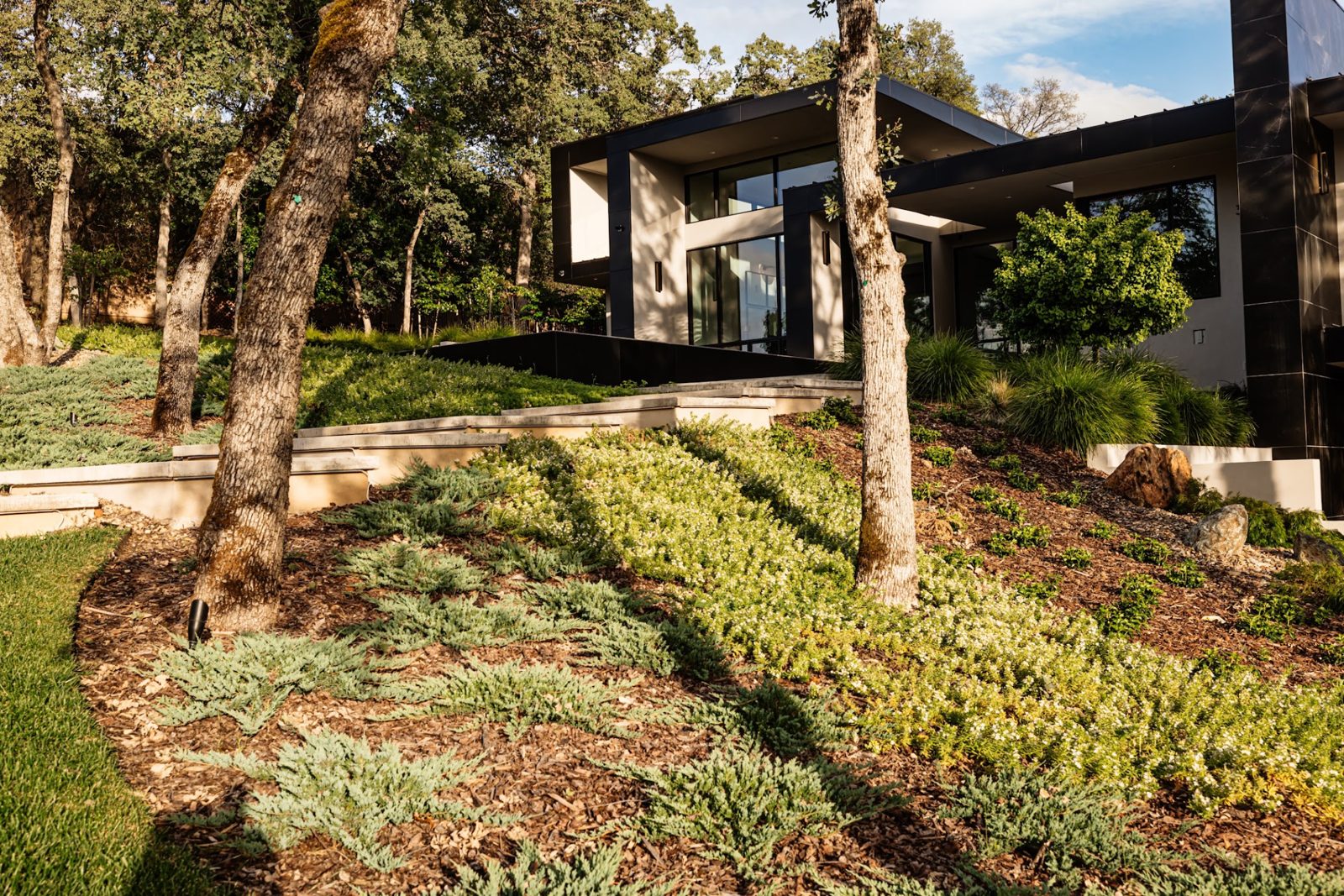
A retaining wall does not have to be purely structural. With planning, it can do more for the space. Built-in seating turns a wall into extra places to gather near a patio or fire feature.
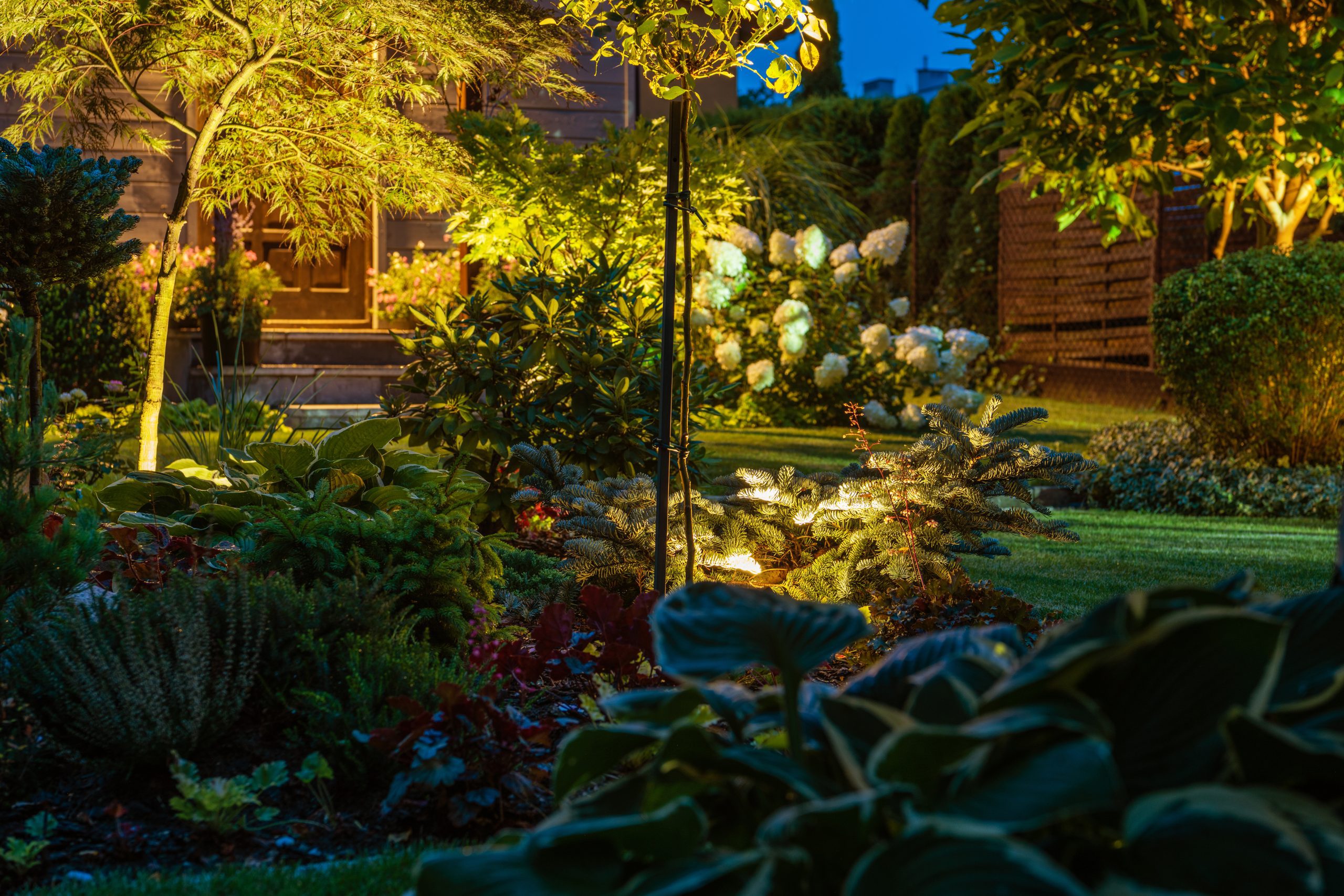
Integrated lighting adds safety on steps and a soft glow after dark. A wall can frame a planting bed, separate a lawn from a garden, or guide foot traffic through the yard.
When the wall is designed alongside the rest of the landscape rather than added later, it reads as part of the property instead of a barrier set on top of it.
Building the Right Type of Retaining Wall for Your Property
Choosing among the types of retaining walls comes down to matching the wall to the job. Height and soil decide the structure. The home and landscape decide the material. Drainage and careful construction decide how long it all lasts. When those choices line up, a retaining wall solves a real problem and improves the look of the property at the same time.
At Hughes Landscape, we assess soil conditions, drainage needs, and slope before recommending a wall, and we handle permitting, inspection, and engineering across our projects so the work holds up both structurally and legally. Every wall is designed to fit the property it sits on and the way you use your outdoor space.
If you are planning a retaining wall in El Dorado Hills, request an estimate on our site, call us at (916) 209-0298, or email info@hugheslandscape.co to start your quote today.