When it comes time to choose a surface for a patio or walkway, the decision often comes down to concrete pavers vs stone pavers. Both create a solid, lasting surface, and both look far better than a plain poured slab.
The real differences show up in cost, appearance, upkeep, and how each one ages over the years. Picking the right one depends on your budget, your style, and how the space will be used.
Here is how the two compare and how to decide which works better for your project.
Concrete Pavers, Explained
Concrete pavers are manufactured units made from cement, sand, and aggregate pressed into molds. Because they are made in a factory, they come in consistent shapes, sizes, and colors. That uniformity makes them easy to lay in clean patterns and simple to replace if one ever gets damaged.
Manufacturers can also tint and texture them to imitate natural stone or brick, which gives homeowners a wide range of paver material options at a lower price point.
Stone Pavers, Explained
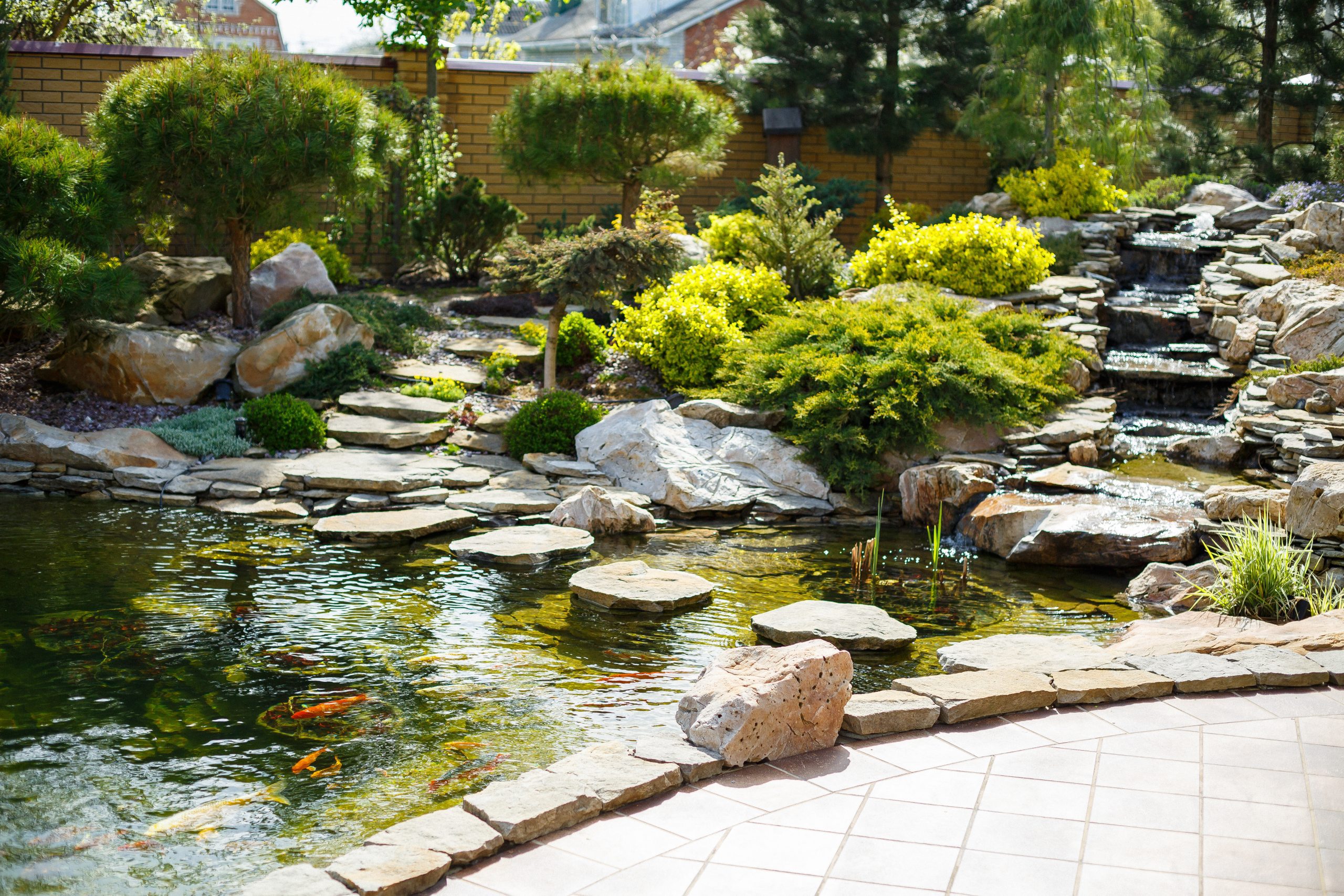
Stone pavers are cut from natural rock such as granite, travertine, limestone, slate, or flagstone. No two pieces are exactly alike, which gives a stone surface a depth and character that manufactured products cannot fully copy. Stone is quarried rather than molded, so it costs more and takes more skill to install.
In return, it offers a high-end appearance and a material that has already proven it can last for generations.
Concrete Pavers vs Stone Pavers: A Side-by-Side Comparison
Here is how the two stack up on the factors that matter most for a patio or walkway.
| Factor | Concrete Pavers | Stone Pavers |
| Cost | Lower upfront and budget-friendly | Higher, a premium material |
| Appearance | Uniform and consistent, many styles, can mimic stone | Natural variation, unique in every piece |
| Durability | Strong and consistent, though color can fade over years | Exceptionally durable and ages well |
| Installation | Faster and easier thanks to uniform sizing | More labor and skill, especially irregular shapes |
| Maintenance | Occasional sealing and possible color refresh | Low maintenance, though some types benefit from sealing |
| Repairs | Easy to match and swap a single unit | Harder to match natural pieces exactly |
| Best suited for | Larger areas and budget-minded projects | High-end, design-focused spaces |
Cost and Long-Term Value
Concrete pavers cost less to buy and install, which makes them the practical choice for large patios or long walkways where material adds up quickly. Stone sits at the higher end because it has to be quarried, cut, and carefully fitted.
That said, stone tends to hold its appeal longer and can add more to a home’s perceived value, so the higher upfront cost often pays back over time.
The right choice depends on whether you are leaning toward budget today or character that lasts.
Appearance and Design
This is where personal taste takes the lead. Concrete pavers give you consistency and a clean, modern look, and newer versions do a convincing job of imitating stone or brick.
Stone pavers offer something concrete cannot, which is true natural variation. Each piece carries its own color and grain, so the finished surface feels organic and original.
For a contemporary home, concrete usually fits well. For a property going for a timeless or luxury feel, natural stone tends to win.
Durability and Maintenance
Both materials hold up well outdoors when they are installed correctly. Concrete pavers are strong and uniform, though their color can fade after years of direct sun, and a periodic seal keeps them looking fresh.
Stone is extremely durable and tends to weather in a way that adds to its look rather than taking away from it. Some softer or more porous stones do better with a sealant to resist stains. In the hot, dry climate of El Dorado Hills, both perform reliably, though lighter colors stay cooler underfoot through the summer.
Which One Works Better for Patios and Walkways?
For a walkway that sees daily foot traffic, either material does the job, so the decision usually comes down to style and budget.
For a large patio where cost is a concern, concrete pavers stretch the budget further without giving up durability. For a smaller, feature-focused space like an entry path or a patio meant to impress, stone delivers a look that is hard to match.
What matters most in both cases is the work underneath. A proper base, correct grading, and good drainage decide how long the surface lasts, no matter which paver sits on top.
Making the Right Call Between Concrete Pavers vs Stone Pavers
The concrete pavers vs stone pavers question rarely has one universal answer. Concrete gives you value, consistency, and easy repairs. Stone gives you character, longevity, and a premium feel. The better choice is simply the one that fits your budget, suits your home, and matches how you plan to use the space.
At Hughes Landscape, we help homeowners weigh these options against their property and design goals, then handle the full installation from base prep through finishing so the surface performs for years. Whether you choose concrete or stone, the result is built to fit the larger outdoor space rather than sit apart from it.
If you are deciding between concrete pavers vs stone pavers for your patio or walkway, request an estimate on our site, call us at (916) 209-0298, or email info@hugheslandscape.co to start your paver installation quote today.