Erosion can significantly damage landscapes, especially on sloped or uneven terrain. Soil loss, slope instability, and structural damage to surrounding areas are common outcomes of unchecked erosion. For homeowners, installing retaining walls is one of the most effective ways to address this issue.
But how do retaining walls prevent erosion, and why are retaining walls used? Let’s explore their functionality, benefits, and how they can protect your property while enhancing its appearance.
What Causes Erosion?
Erosion occurs when natural forces like water, wind, or gravity displace soil. Over time, this can lead to slope instability, loss of topsoil, and even damage to nearby structures or landscaping.
Rainfall and water runoff are some of the most common causes of erosion, particularly on sloped land. Without intervention, water can wash soil away, creating uneven surfaces or damaging gardens and hardscapes. In areas with frequent wind or steep slopes, gravity accelerates soil movement, making erosion an even greater concern.
Understanding these factors highlights why erosion prevention is so critical.
Why Are Retaining Walls Used?
Retaining walls are both a practical and aesthetic solution for controlling erosion on sloped properties. These structures prevent soil from shifting while offering additional benefits that make them a valuable addition to any landscape.
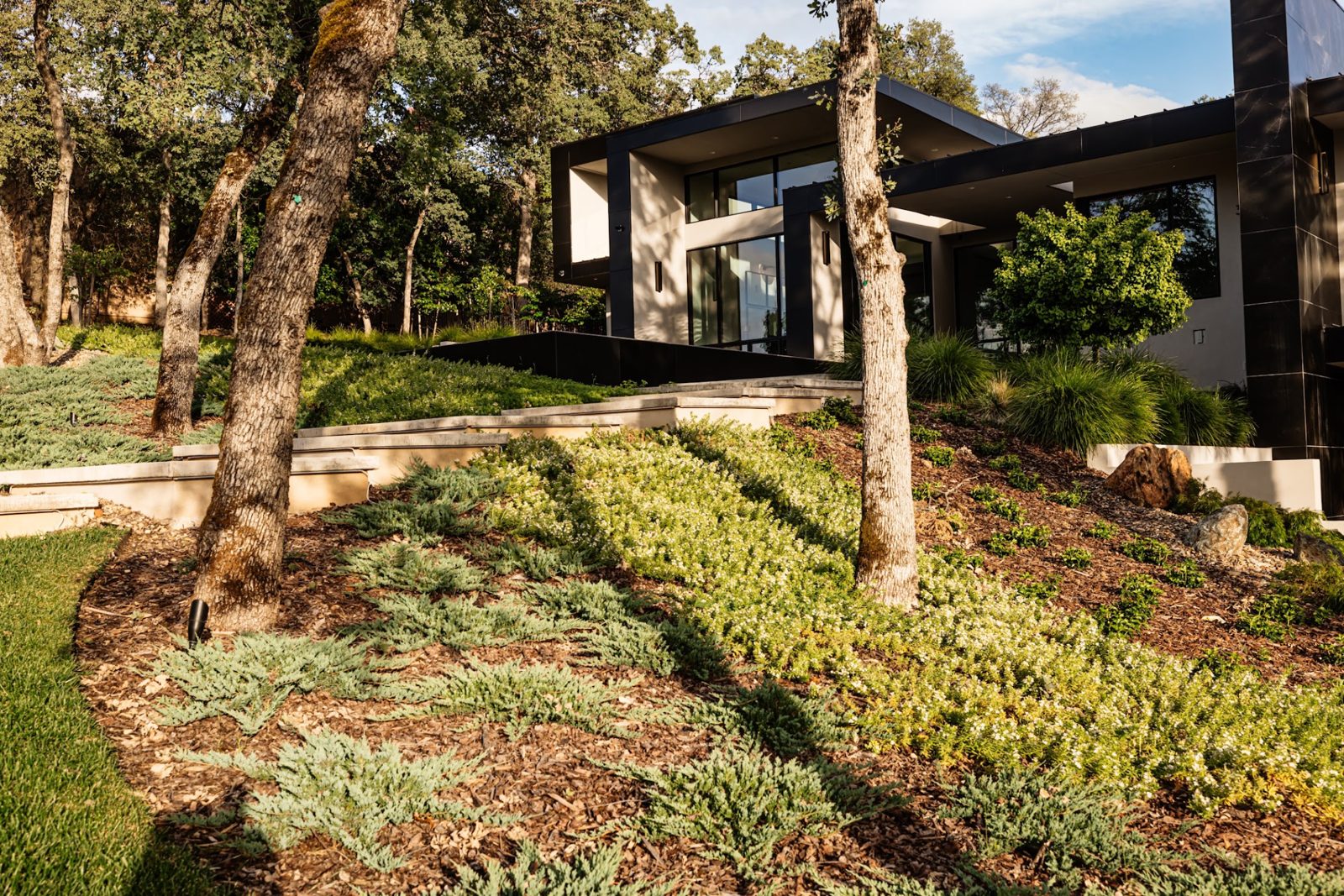
Functionally, retaining walls stabilize slopes by holding soil in place and redirecting water runoff, minimizing the risk of erosion. They also create level surfaces, making it possible to use sloped areas for patios, gardens, or walkways.
Aesthetically, retaining walls add visual interest to a property, especially when designed with materials like natural stone, brick, or concrete. They can seamlessly integrate into a landscape, creating a polished, cohesive look while serving an important structural purpose.
How Do Retaining Walls Prevent Erosion?
Retaining walls prevent erosion by addressing the core forces that cause soil displacement.
The primary way they work is by controlling soil movement. Gravity constantly pulls soil downward on slopes, and retaining walls counteract this force by creating a physical barrier that holds the soil in place. Without this stabilization, heavy rains or high winds could dislodge soil and cause significant erosion.
Retaining walls also manage water runoff, a key contributor to erosion. Many retaining walls are designed with drainage systems, such as weep holes or gravel backfill, that channel water away from the soil behind the wall. This reduces soil saturation, preventing the conditions that lead to erosion.
In addition, retaining walls protect landscaped areas near slopes. By keeping soil in place, they preserve the integrity of gardens, patios, and walkways, even during heavy rainfall or extreme weather.
Types of Retaining Walls for Erosion Control
There are several types of retaining walls, each suited to different erosion control needs:
- Gravity Walls rely on their weight to hold soil in place and are typically used for smaller slopes.
- Cantilevered Walls provide reinforced support, making them ideal for taller or steeper slopes.
- Segmental Retaining Walls use interlocking blocks for flexibility and durability, making them a popular choice for residential landscaping.
- Anchored Walls offer additional strength by anchoring the wall to the soil, suitable for high or steep slopes.
Choosing the right type of wall depends on factors like soil type, slope steepness, and aesthetic preferences.
Planning and Installing a Retaining Wall
A well-designed retaining wall is key to effective erosion control. Planning involves assessing the slope, understanding the soil’s characteristics, and determining the best materials for the project.
Drainage is a crucial consideration. Without proper drainage, water can build up behind the wall, increasing pressure and risking failure. Including features like gravel backfill or perforated pipes ensures water flows away from the soil.
Professional installation is often recommended, particularly for larger or more complex walls. Experts ensure the structure is built to withstand soil pressure, water runoff, and other environmental factors.
Additional Benefits of Retaining Walls
While retaining walls are designed to combat erosion, their benefits go far beyond soil stabilization.
One of the most valuable advantages is the creation of usable space. Retaining walls can transform sloped areas into level surfaces suitable for patios, gardens, or outdoor seating. This not only increases the functionality of your property but also adds value to your home.
Retaining walls also enhance the aesthetic appeal of a landscape. Whether made from natural stone, brick, or concrete, they add depth and texture to outdoor spaces. Combined with thoughtful landscaping, retaining walls create a polished, cohesive design that complements your property.
Common Mistakes to Avoid When Installing Retaining Walls
While retaining walls are effective, certain mistakes can compromise their performance. Poor drainage planning, for example, is a frequent issue that leads to water buildup and wall failure. Choosing the wrong materials for the site’s conditions can also affect the wall’s durability.
Another common mistake is underestimating the pressure exerted by the soil. Walls that aren’t built to handle this pressure may crack or collapse over time. Addressing these concerns during the planning stage ensures a successful project.
Why Hire a Professional for Your Retaining Wall?
Retaining walls require careful engineering to function effectively. Professionals assess the site, select the appropriate materials, and design the structure to handle the unique challenges of your property.
At Hughes Landscape, we specialize in creating retaining walls that are both functional and beautiful. From erosion control to enhancing outdoor spaces, our team provides expert solutions tailored to your needs.
Protect Your Property with Retaining Walls
Retaining walls are essential for preventing erosion and preserving the beauty of your landscape. By stabilizing slopes, managing water runoff, and protecting landscaped areas, they offer a practical solution to soil displacement while enhancing your property’s aesthetics.
If you’re wondering how do retaining walls prevent erosion or considering installing one on your property, don’t wait for erosion to cause damage. Contact us today for expert advice and professional installation.